


Gallery
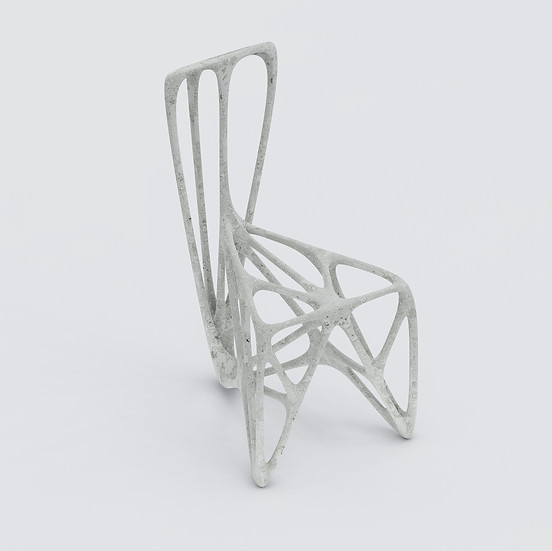
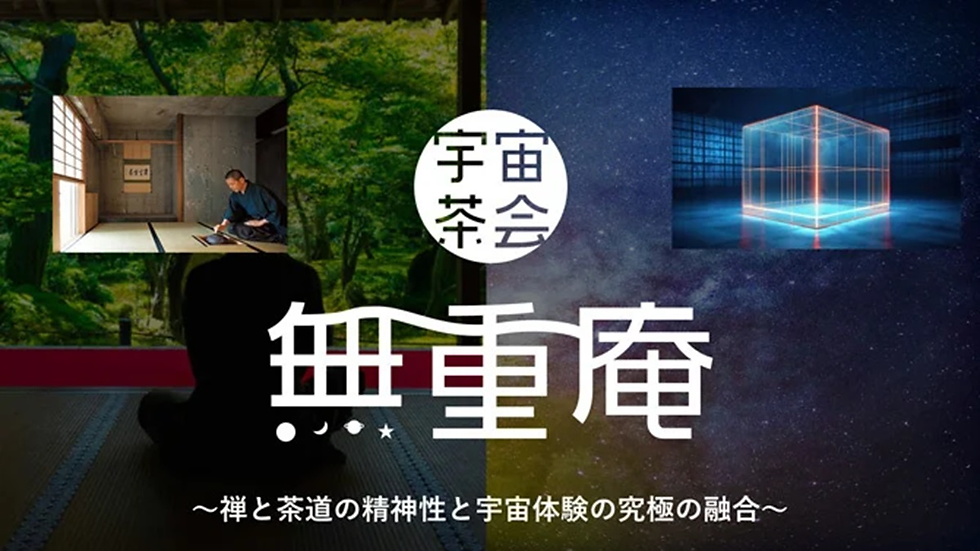
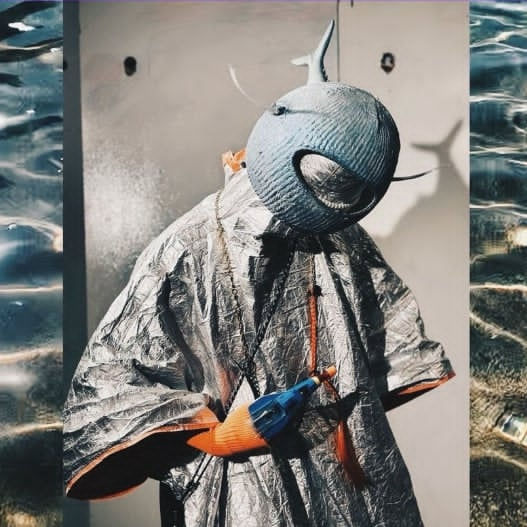
Exhibited works






Conference Program

Keynote Speech 基調講演
白坂 成功
慶應義塾大学大学院システムデザイン
マネジメント研究科 委員長・教授
Special Lecture 特別講演
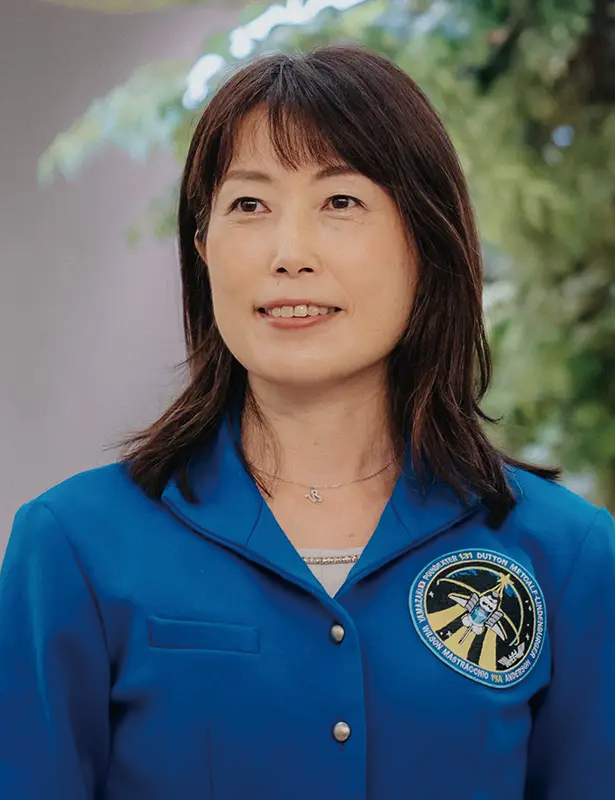
山崎 直子
宇宙飛行士/VAST Japan(同)ゼネラル
マネージャー/ (一社)
Space Port Japan 代表理事
Talk Session

Moderator
榎本麗美
宇宙キャスター
Talk Session 1 Panelist
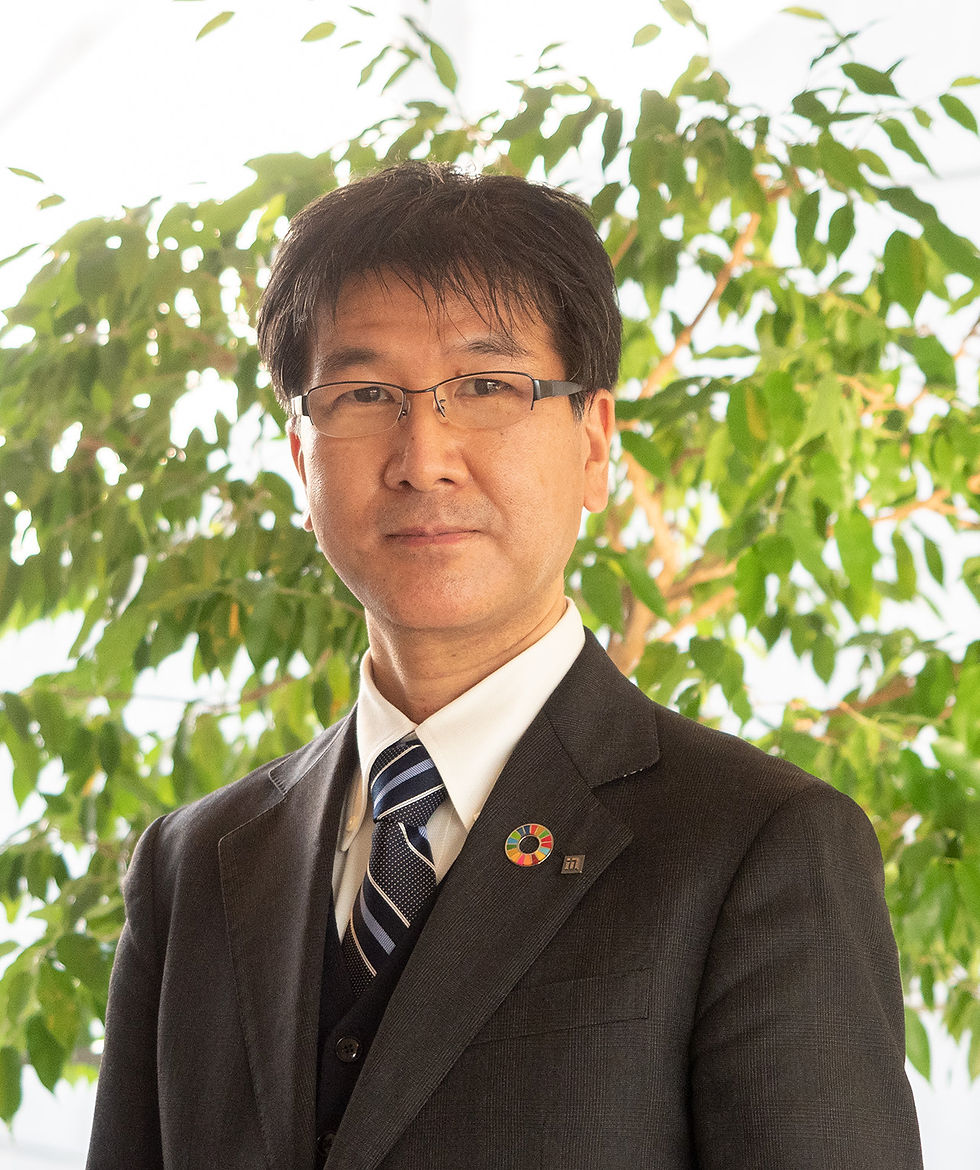
大野 琢也
鹿島建設株式会社
イノベーション推進室
担当部長(宇宙)
Talk Session 2 Panelist

松広 航
株式会社amulapo
取締役COO
宇宙体験コンテンツ
事業担当

板坂 諭
株式会社 the design labo
代表取締役 建築家

山下 紘生
東京大学 先端研AAD
特任研究員/
宇宙デザイナー

鈴木 健吾
スペースシード
ホールディングス 株式会社
代表取締役

日置 あつし
アーティスト
COSMIC WHALE合同会社
CEO

藤井 賢二
一般社団法人 EX Gravity理事
株式会社たきコーポレーション
取締役CDO/デザイナー
Access
重力の異なる暮らしをデザインする展
2026年7月21日(火)16:00-20:00
会場:オルクドール・サロンAOYAMA 12F
東京都港区南青山三丁目1番34号
3rd MINAMI AOYAMA 12F
Venue: Orque d'Or Salon AOYAMA, 12F
3-1-34 Minami-Aoyama, Minato-ku, Tokyo
3rd Minami Aoyama Building, 12F

一般社団法人EX Gravity(エックスグラビティ)は、未来の宇宙環境における人間の生活や体験の質(QOL/QOE)を高めることを目的として設立された非営利法人です。宇宙旅行や宇宙滞在が現実的になる2040年代以降を見据え、無重力環境や閉鎖空間といった特殊な条件下でも、人が快適で創造的に過ごせる「宇宙での暮らし方・体験の在り方」を探求しています。単なる技術開発にとどまらず、人間中心設計や体験デザインの視点から、宇宙空間における新しい価値や文化を構想する点が特徴です。将来的には、宇宙産業に関わる企業や研究者、クリエイターとの連携を通じて、宇宙での生活体験を豊かにするための研究・提案・社会実装を行っていくことが期待されています。

